
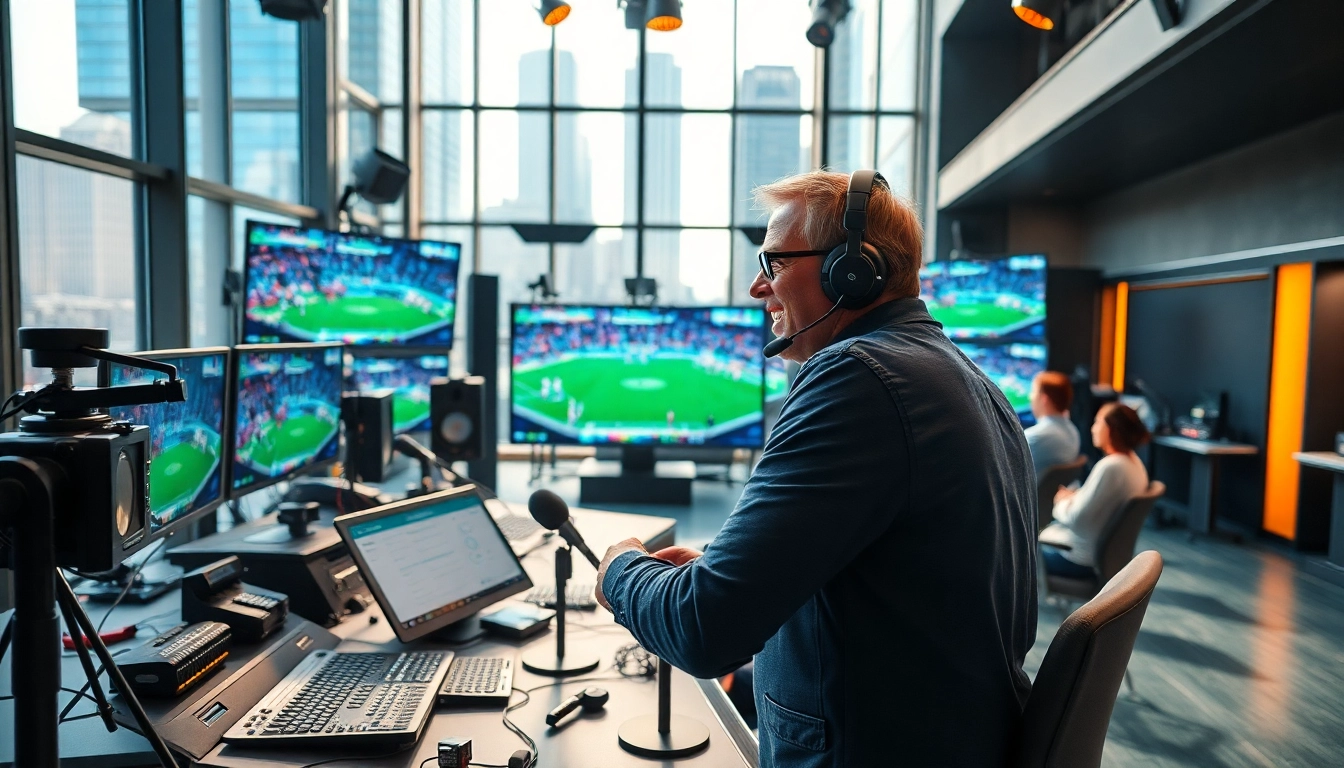
Understanding Sports Broadcasting
What is Sports Broadcasting?
Sports broadcasting refers to the dissemination of live or recorded sports events, analysis, and commentary through various media channels. Its primary aim is to engage sports fans by providing them with a dynamic viewing experience that integrates visual elements, real-time statistics, and expert analysis. This media segment is not limited to traditional television; it has expanded to include radio, online streaming platforms, and social media channels. An essential aspect is the Sports Broadcasting ecosystem, which encompasses various stakeholders including broadcasters, sports teams, advertisers, and, most importantly, the audience.
Key Roles in Sports Broadcasting
Sports broadcasting involves multiple key roles, each contributing significantly to the overall experience:
- Commentators: They provide play-by-play coverage, analysis, and insights during live events, enhancing the audience's understanding.
- Producers: Responsible for the overall presentation of the broadcast, producers manage time, graphics, and transitions.
- Camera Operators: They capture the action from various angles, ensuring that viewers don’t miss critical moments.
- Graphics Operators: They create and manage visual graphics, such as scoreboards and player stats, to deliver real-time information to viewers.
- Technical Staff: Ensuring that all equipment functions properly and troubleshooting any issues that may arise during live broadcasts.
Impact of Technology on Sports Broadcasting
Technology has transformed the landscape of sports broadcasting. Innovations such as high-definition video, instant replay, and virtual graphics have greatly enhanced viewer experience. With advanced analytics, broadcasters can provide deeper insights through player tracking and statistical analysis. Moreover, the rise of mobile applications and streaming platforms has democratized access to sports content, allowing fans to watch their favorite events anytime, anywhere. Social media platforms also play a crucial role by facilitating immediate engagement and real-time interaction between broadcasters and audiences.
Essential Techniques in Sports Broadcasting
Effective Communication Strategies
Clear and effective communication is vital in sports broadcasting. Commentators must articulate complex information in an accessible manner, ensuring that both casual and avid fans can follow the action. Utilizing storytelling techniques can enhance viewer engagement, as personal player anecdotes or historical context adds depth to the sports event being showcased. Tone, pacing, and the ability to read the moment are crucial for broadcasters to resonate with audiences during high-stakes scenarios.
Using Analytics for Audience Engagement
Analytics has become an indispensable tool in sports broadcasting, providing data-driven insights that engage viewers. Broadcasters can analyze audience preferences, including viewing habits and interaction patterns, to tailor their content effectively. For instance, real-time polling during broadcasts can make use of audience sentiment and preferences, promoting participation. Ligging these insights into program development allows broadcasters to create content that meets the evolving demands of their audience.
Tailoring Content for Different Platforms
Different platforms require distinct content strategies due to varying audience behaviors. For traditional television, comprehensive coverage and in-depth analysis may be prevalent, while digital platforms allow for shorter content formats and more interactive segments. Streaming services might benefit from exclusive content or behind-the-scenes access, whereas social media channels can utilize quick highlights and engaging posts to capture instant viewer interest. Understanding these nuances is crucial for maximizing audience reach and engagement across platforms.
Challenges in Sports Broadcasting
Adapting to Rapid Technological Changes
The fast-paced nature of technology poses significant challenges for sports broadcasters. They must continuously adapt to new tools, such as augmented reality, artificial intelligence, and advanced graphics systems. Training staff and ensuring that they are proficient with new technologies is imperative to maintain a competitive edge. Moreover, broadcasters need to remain vigilant about emerging trends that can disrupt the traditional viewing experience, such as the rise of mobile and on-demand viewing.
Maintaining Viewer Interest
In a world saturated with entertainment options, keeping viewers interested is a persistent challenge for broadcasters. Consistency in quality, delivering timely and compelling content, and engaging with audiences through social media channels can help maintain viewership. Offering unique insights, stories, or exclusive content can also create a loyal fan base. Implementing user feedback into programming decisions provides insights that help tailor broadcasts according to viewer preferences.
Handling Live Broadcasting Emergencies
Live sports broadcasting is inherently unpredictable. Emergencies such as technical failures, unexpected weather conditions, or even player injuries can disrupt a broadcast. Broadcasters must develop contingency plans and training to react swiftly during crises. Creating an adaptable script protocol allows the team to pivot quickly, ensuring that coverage continues smoothly. Additionally, clear communication among all team members is essential for a seamless response to such unpredictable situations.
Best Practices for Successful Sports Broadcasting
Building a Strong Network of Sources
Creating a robust network of industry contacts—including teams, athletes, coaches, and analysts—enables broadcasters to access timely and valuable content. Developing relationships with these sources fosters trust and slightly increases the authenticity of reporting. Story exclusives, interviews, and insider information can enrich broadcasts and provide viewers with a unique perspective that strengthens viewer loyalty and engagement.
Consistent Brand Messaging in Broadcasting
Establishing a consistent brand message across different channels reinforces brand identity and cultivates audience loyalty. Broadcasters should clearly communicate their values and message through all forms of content while utilizing cohesive design elements, tone, and style. This consistency helps establish credibility and ensures that viewers know what they can expect each time they tune into a broadcast.
Measuring Audience Feedback and Metrics
To gauge success and make informed programming decisions, broadcasters must leverage audience feedback and metrics. Tracking viewership numbers, social media engagement, and audience sentiment can provide critical insights into what resonates with fans. Regularly collecting and analyzing audience feedback helps to refine content strategies, aligning them with viewer interests, consequently driving higher engagement and satisfaction.
Future Trends in Sports Broadcasting
Integration of Augmented Reality and VR
Augmented Reality (AR) and Virtual Reality (VR) are poised to transform how audiences interact with sports broadcasting. These technologies can offer immersive experiences, such as virtual stadium tours and enhanced replay capabilities, bringing fans closer to the action than ever before. Broader integration of AR and VR can not only enhance the viewing experience but also provide innovative advertising opportunities that can be tailored to individual viewer preferences.
Shifts Towards On-Demand Viewing
The shift towards on-demand viewing is reshaping the landscape of sports consumption. Audiences increasingly prefer the flexibility to watch highlights or full games at their convenience, leading broadcasters to reconsider traditional scheduling models. This trend emphasizes the need for resilient content libraries, enabling fans to access sports content that aligns with their viewing habits. Such accessibility demands innovative release strategies that prioritize viewer convenience.
Importance of Interactive Broadcasting
The future of sports broadcasting lies in interactivity. Features like live polling, real-time chats, and audience participation segments can significantly enhance user engagement. Incorporating game-related quizzes or fantasy sports elements can provide viewers with a multi-dimensional experience. Investing in interactive capabilities allows broadcasters to create a community atmosphere that connects fans directly with the events as they unfold.
FAQs:
1. What are the main components of sports broadcasting? Sports broadcasting encompasses live commentary, analysis, visual graphics, and audience engagement tactics across multiple platforms.
2. How has technology influenced sports broadcasting? Technology has revolutionized sports broadcasting by enhancing viewer experiences through HD graphics, live statistics, and interactive features.
3. Why is audience engagement important in sports broadcasting? Engagement keeps viewers interested, increases viewership, and fosters a community around sports content, benefiting broadcasters.
4. What challenges do sports broadcasters face? Broadcasters often face issues like technological disruptions, keeping content fresh, and managing live events smoothly.
5. How can one measure success in sports broadcasting? Success can be measured through audience reach, engagement metrics, feedback collection, and overall viewer satisfaction ratings.